Charcoal Crayon: A Playful Typeface for Dynamic Design
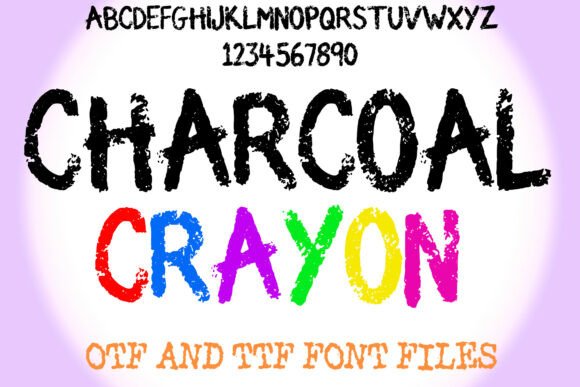
In a digital landscape saturated with sleek, minimalist fonts, the Charcoal Crayon typeface offers a refreshing burst of personality and tactile energy. This bold display font captures the authentic, textured strokes of a crayon or charcoal pencil, making it an invaluable creative asset for designers seeking to inject warmth, playfulness, and a handcrafted feel into their projects. Its distinct character immediately evokes creativity and approachability, setting a unique tone for any visual communication.
Understanding the Visual Impact of Textured Typography
Charcoal Crayon is more than just a novelty font; it's a strategic tool for visual design and branding. In modern graphic design, typography is a primary vehicle for brand identity. While sans-serifs convey modernity and serifs suggest tradition, a textured display font like Charcoal Crayon communicates creativity, approachability, and a touch of nostalgia. Its rough edges and vibrant appeal break the digital sterility, creating an immediate emotional connection with the viewer. This makes it particularly effective for brands and projects targeting audiences that value authenticity and fun, such as in children's education, family-oriented businesses, or artisanal product marketing.
Practical Applications Across Design Projects
The versatility of Charcoal Crayon allows it to shine across numerous applications, enhancing both print and digital designs. Its bold presence ensures high impact, whether used in a headline or as a standout graphic element.
- Branding & Logo Design: Ideal for creating memorable logos for bakeries, toy stores, children's book authors, or creative studios. It helps build a brand identity that feels friendly and imaginative.
- Marketing & Social Media Graphics: Use it for eye-catching posters, flyers, and social media posts. Its playful energy boosts engagement, making announcements for sales, events, or new products feel more inviting and less corporate.
- Editorial & Packaging Design: In editorial layouts, it can highlight chapter titles or pull quotes. For packaging, especially on food products, craft supplies, or children's items, it adds a homemade, trustworthy aesthetic.
- Digital & Web Elements: While not for body text, it can enliven website banners, UI buttons for specific campaigns, or digital product covers, improving visual hierarchy and user experience through strategic contrast.
- Presentations & Merchandise: Transform mundane presentations or merchandise like t-shirts and mugs with its unique texture, making materials more memorable and shareable.
Integrating Charcoal Crayon into Your Design Workflow
To use a display font like Charcoal Crayon effectively, thoughtful application is key. It should complement, not overwhelm, your overall design system. Always pair it with a clean, highly legible sans-serif or serif font for body copy to maintain readability and professional presentation. Consider your color palette; the font often works best with vibrant colors or high-contrast black and white to mimic actual art materials.
Evaluate its use based on your design goals and audience expectations. It excels in projects where the goal is to evoke emotion, creativity, or a sense of fun. For more formal or serious contexts, it should be used sparingly, perhaps as a subtle graphic element rather than a primary headline. Always test for scalability, ensuring the texture remains clear and effective at various sizes, from a small icon to a large banner.
Ultimately, incorporating a character-rich asset like the Charcoal Crayon font demonstrates a nuanced understanding of how visual elements shape communication. Quality creative assets are investments that elevate both the aesthetics and effectiveness of your work, allowing you to craft designs that not only look distinctive but also resonate deeply with your intended audience. Choosing the right typography is a fundamental step in telling a compelling visual story.